
Blog
Top 10 Trusted Lemon Oil Manufacturers in Australia

Introduction
Australia’s cosmetics, cleaning and wellness industries depend on imports of lemon oil to satisfy global demand. This makes it one of the most popular essential oils in the world. India is one of the biggest producers and exporters of citrus essential oils. That’s why it is a preferred destination for Australian customers seeking quality essential oils at affordable prices. Today’s guide covers the top 10 trusted lemon oil manufacturers in Australia.
However, the quality of lemon oil can differ greatly based on the extraction process and the processing quality of the manufacturer. This guide will explain what lemon oil is and why it is a great value to buy from Indian manufacturers for the Australian market. It also includes who has proven their credibility in this area, such as Moksha Aromatics.
What is Lemon Oil?
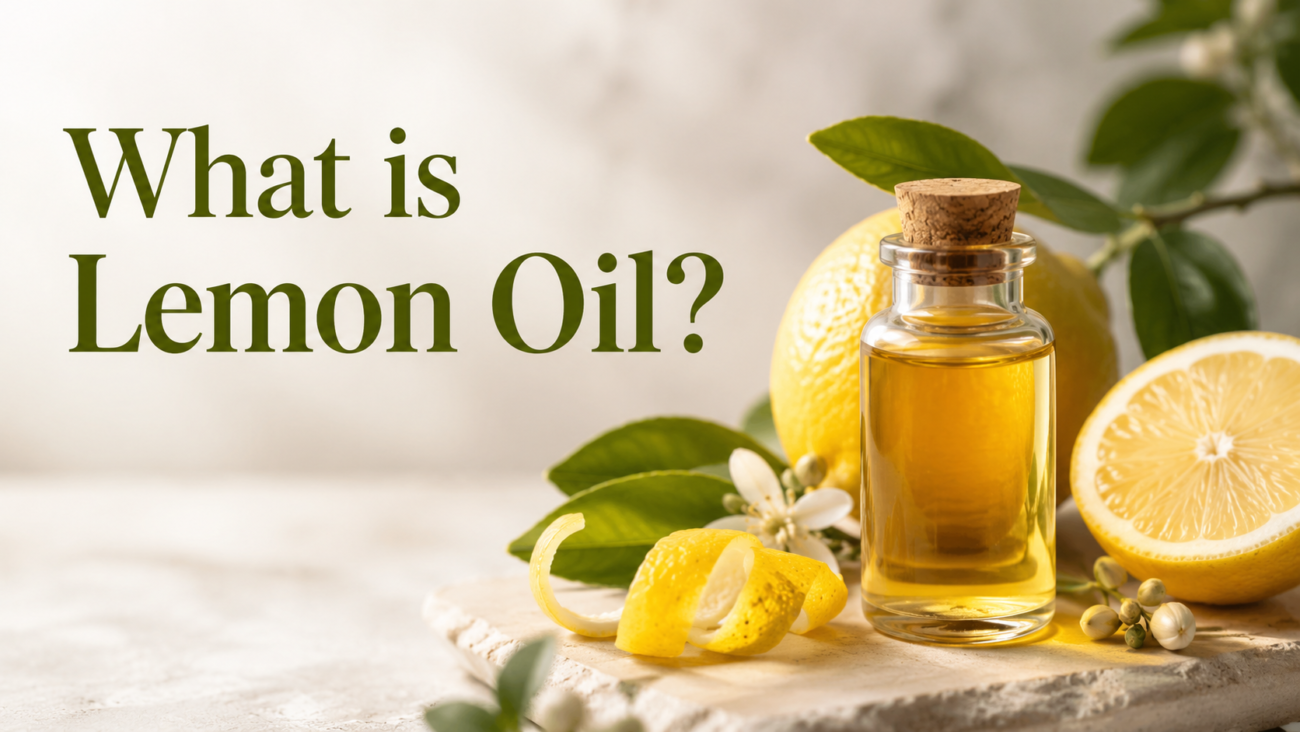
Lemon oil is cold-pressed from the peel of Citrus limonum (lemon), which was first grown in India and later introduced into Southern Europe, Florida, and California. Lemon oil is usually cold-pressed, a mechanical process that avoids heat-induced degradation of the oil’s aromatic compounds, unlike many essential oils, which are steam distilled.
The main compound in its composition is limonene, a monoterpene that constitutes the bulk of the oil’s composition. It also has small amounts of citral, geranial, and other aldehydes and esters, which give the oil its characteristic aroma.
Lemon has been used for centuries; the fruit was known in Europe by the Middle Ages, and the British Navy used citrus fruits, including lemons, to prevent scurvy among sailors.
Benefits & Uses of Lemon Oil
The popularity of lemon oil in various industries can be attributed to its proven and practical advantages:
- Skin clarifying: It is known for its antibacterial and antiseptic properties and is used to treat acne breakouts and prevent blemishes.
- Haircare: It is often used in scalp treatments to help prevent dandruff and to cleanse the scalp naturally.
- Aromatherapy: Also known as ‘liquid sunshine ‘, it is diffused to help reduce anxiety and low mood and is used for morning sickness and nausea.
- Focus and concentration: Lemon oil has been shown to improve focus and concentration when diffused in work environments.
- Antibacterial and antifungal properties: It is used in eco-friendly household cleaning products due to its natural antibacterial and antifungal properties.
- Energy and metabolism: Popularly used to give energy and freshness during the day.
- Respiratory support: Steam inhalation blends that include it are used to relieve sore throat and breathing.
A word of caution: lemon oil is also phototoxic, which can make the skin more sensitive to sunlight. So, it should not be used on skin that is to be exposed to direct sun within a short time after application.
You May Also Like This:-
Why choose Indian Lemon Oil Manufacturers?
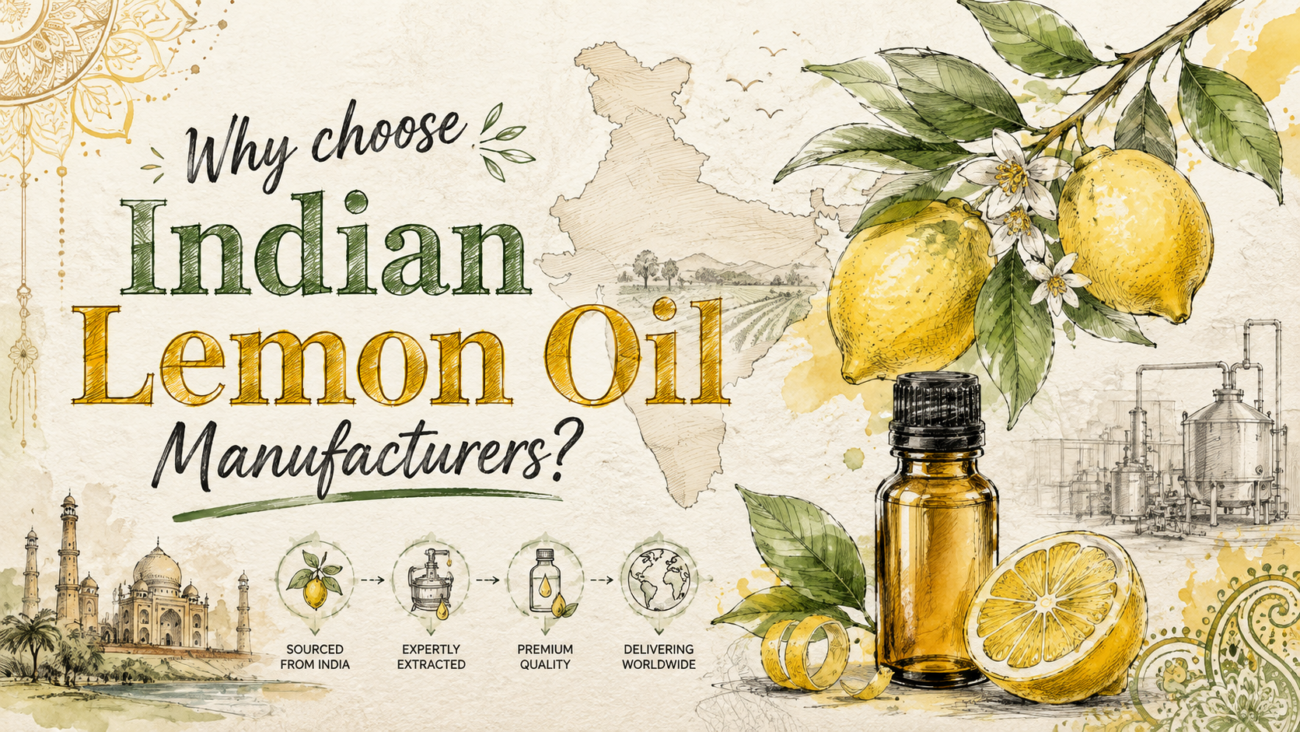
From the Australian buyer’s perspective, there are some practical benefits to purchasing lemon oil from India:
- Good citrus processing infrastructure:
India has well-developed cold-pressing facilities in the backdrop of a large-scale citrus and spice-oil industry.
- Competitive pricing
Indian lemon oil is competitively priced because of its lower production and labour costs. It does not sacrifice without sacrificing quality, in comparison to oil from Italy or the United States.
- Developed export channels to Australia
There are already established export channels to Australia, with many Indian manufacturers already exporting regularly to the US, UK, Canada and the Middle East, so they know what Australian importers will require in terms of documentation and compliance.
- Multiple grade availability
Indian suppliers usually supply food grade, cosmetic grade and aromatherapy grade lemon oils for Australian buyers based on their intended use.
- Certifications:
International, quality-conscious buyers are demanding certification and more Indian manufacturers are investing in ISO, GMP, HACCP, and Kosher certifications.
Factors to Consider When Choosing a Manufacturer
When considering a supplier, make sure they meet these requirements:
- Extraction method
Make sure the oil is cold pressed and not solvent extracted, as this can impact its purity and aroma quality.
- In-house testing
Manufacturers with GC and GC-MS labs can test for limonene content and overall purity before shipment.
- Certifications
ISO, GMP, HACCP, Kosher, and FSSAI certifications are good signs of process discipline.
- Grade transparency
Check the grade of the oil according to the intended use, whether it is for food, cosmetic, or aromatherapy.
- Experience in shipping to Australian ports
An export history with Australia minimises the risk of biosecurity or customs issues.
- Batch documentation
Request manufacturers to give a Certificate of Analysis (COA) and MSDS for each batch.
- Responsiveness
The speed at which a manufacturer responds to technical queries is a good early indicator of how they will respond to problems later.
Top 10 Trusted Lemon Oil Manufacturers in Australia
| Manufacturer | Description/Highlights |
|---|---|
| 1. Moksha Aromatics | Trusted name with over 20 years of experience in essential oils and aroma chemistry. Cold-presses lemon oil and tests each batch in-house with GC and GC-MS equipment. Solid export network to Australia, New Zealand, US, UK, and Canada. |
| 2. AOS Products | ISO 9001:2015, Kosher, ISO 22000:2018, GMP and HACCP certified. Supplies lemon oil internationally, including Australia. |
| 3. Katyani Exports | New Delhi-based ISO 9001-certified manufacturer with production units in Madhya Pradesh. Offers lemon oil with an in-house gas chromatography lab. |
| 4. Arora Aromatics | Exports lemon and citrus oils globally for regular wholesale supply. |
| 5. Shiva Exports India | Certified by USDA Organic, GMP, Halal, and Spice Board. Exports to the USA, Canada, Taiwan, Australia, UK, France, and Spain. |
| 6. Primacy Industries Limited | Leading essential oil exporter known for bulk industrial supply of lemon and citrus oils. |
| 7. Aromaaz International | Based in Ghaziabad, manufactures and exports lemon oil to Australia, UK, US, and Canada. |
| 8. Kanta Group | Established brand in bulk international export of citrus oils across various continents. |
| 9. Rakesh Sandal Industries | Producer of essential and carrier oils with a focus on price and availability for export customers. |
| 10. Indian Aroma Oils | Wholesaler and manufacturer of cold-pressed oil. ISO, GMP, GC-MS certified. Ships to Australia, US, France, Canada and South Africa. |
Certifications and shipping details may change at any time, as always; call any manufacturer before ordering in bulk to verify the current documentation.
Benefits of Buying Directly from Manufacturers
There are real and practical benefits to buying from the manufacturer, not from a trading company or reseller:
- Better pricing: No reseller margin added to the price.
- Access to lab documents, including GC-MS reports of content and purity of limonene.
- If you want personalized packaging and customization in the products, buy directly from a manufacturer.
- Improved issue resolution as you’re working directly with the individuals who are responsible for extraction and quality control.
- Better consistency in the quality of the batch, particularly if the manufacturer, such as Moksha Aromatics, tests each batch before shipping.
Common Challenges when sourcing Lemon Oil
Some of the common sourcing problems with lemon oil are:
- Use of lower-cost citrus oils or synthetic limonene, especially when prices are extremely low.
- Lot-to-lot variation, which may be due to raw material seasonality or to inconsistent cold pressing methods.
- Biosecurity and customs delays, as Australia has strict import regulations for plant products.
- Not all oils labelled as pure or organic are 100% true to their claim. It is important to verify the trusted certificates.
- The lack of communication about the origin of raw materials creates a suspicious point in the trade.
Tips for Importers and Bulk Buyers
Some tips for importers and bulk buyers.
- Always ask for a Certificate of Analysis (COA) for the batch, not a product sheet.
- Please be aware of Australian import requirements for essential oils before ordering.
- Get a sample batch first to ensure aroma, color, and consistency before ordering in bulk.
- Determine the exact grade required, as there are differences between food grade, cosmetic grade, and aromatherapy grade.
- Ensure that Incoterms and shipping dates are agreed in advance, taking into account the longer shipping time to Australia.
- Look for manufacturers that have their own GC-MS testing facility – this will usually be quicker and more reliable quality assurance.
Lemon Oil Market Trends in Australia
There are a couple of obvious trends in demand at the moment:
- Increased demand for natural cleaning products – Australian consumers are more likely to prefer plant-based cleaning products over synthetic cleaning products.
- The use of aromatherapy and wellness has increased, and lemon oil continues to be one of the most popular diffuser oils in the Australian market.
- Rising demand for cosmetic-grade citrus oils, reflecting the growing clean beauty movement in skin and hair care products.
- Steady imports from India, with Australian buyers still preferring Indian suppliers for their competitive prices and quality.
- Increased focus on documented quality assurance – Australian importers are more likely than ever to require COA and GC-MS reports before a purchase agreement.
How to verify Lemon Oil quality?
The quality of lemon oil can be verified in the following ways. Before you buy, check this list:
- Look for color – The lemon oil should be a pale yellow to greenish yellow, not artificially bright or cloudy.
- Evaluate the scent – It should be bright, fresh, citrus, and not flat or too harsh like synthetic perfume.
- Order GC-MS analysis – This verifies the contents of limonene and the chemical makeup.
- Check the process used – Cold-pressed oil must be indicated, rather than solvent-extracted or reconstituted.
- Check certifications – Double-check ISO, GMP, or Kosher certifications with the manufacturer.
- Inquire about batch consistency – A good manufacturer will be able to tell you how they ensure that each batch is consistent.
Conclusion
Lemon oil is a multi-purpose oil that is always in demand in the cosmetics, wellness, and household products sectors in Australia due to its functional, aromatic and therapeutic properties. The processing infrastructure in India is well developed, and the standards are improving, so it is a good source for citrus oils for Australian buyers, but like any essential oil, the quality of the product you get depends on the manufacturer you select. Among the choices, Moksha Aromatics is one of the most reliable and trustworthy names to consider for this ingredient, as they have rigorous in-house testing, cold-press quality control, and an established track record of exporting to Australia. No matter which manufacturer you select, the basics remain the same: verify the extraction process, order a sample, and develop the relationship from the sample.
You May Also Like This:-
FAQS
- Can I use lemon oil directly on the skin?
No, it should never be used undiluted, and it is also phototoxic, so should not be used before sun exposure.
- What is the difference between cold-pressed lemon oil and other lemon oils?
Ask for GC-MS lab analysis of limonene content and directly for the manufacturer, inquire about the extraction method.
- Is there any restriction on the importation of lemon oil to Australia?
Australia does have biosecurity requirements for imports of plant material; please refer to the Australian Department of Agriculture for current regulations before importing.
- How long does lemon oil last?
1-2 years if stored properly in a cool, dark area in a light-resistant, airtight container.